
How to Buy Walking Shoes That Fit Comfortably
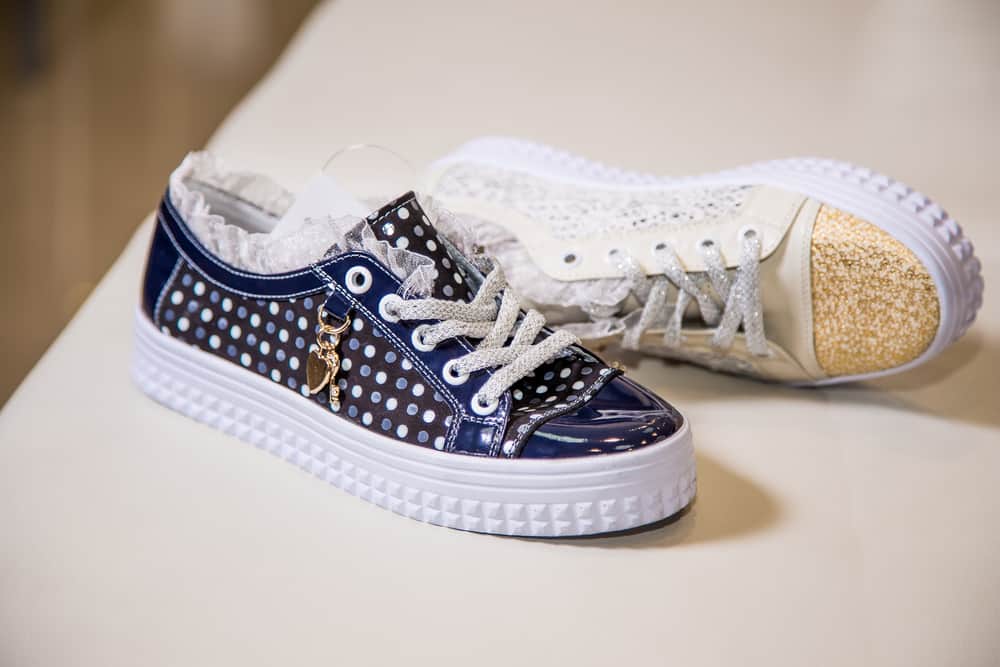
No walking shoe can guarantee pain-free use. Comfort depends on the match between the shoe, each foot, the activity, and any health or mobility needs. A careful fitting process can reduce avoidable pressure and rubbing, but persistent pain deserves assessment rather than repeated shoe experiments.
1. Measure both feet, then try the shoes
Use measurements as a starting point because sizes vary across brands and models. Measure while standing and fit the larger foot. Try both shoes with the socks you expect to wear, preferably when your feet are at their usual daily size.
There should be room in front of the longest toe and enough width and depth for the toes to move. A shoe that pinches at purchase should not be assumed to stretch into the right shape. If the width is wrong, try another width or model instead of automatically choosing a longer size.
2. Check heel and midfoot hold
Lace or fasten the shoes fully. The heel should feel secure without rubbing, while the upper should hold the midfoot without pressure, tingling, or numbness. Walk, turn, and use stairs or an incline if available. Notice whether the foot slides, the heel lifts, or the toes grip to keep the shoe in place.
3. Match flexibility and sole shape to your gait
Many walking shoes flex near the forefoot and remain more stable through the midfoot, but no bend or twist test proves that a shoe will be comfortable. Rocker soles, flared platforms, and differences in heel-to-toe height can change how walking feels. These designs are not universally good or bad; choose what feels stable and smooth for you.
People with balance difficulties should be cautious with unfamiliar sole geometry. If a clinician has recommended a particular shoe feature, orthosis, or modification, test it as a complete setup rather than evaluating the shoe alone.
4. Choose cushioning and support individually
The softest shoe is not always the most comfortable, and more arch support is not always better. Compare cushioning and stability levels while walking. Retail gait analysis may provide observations, but it does not diagnose a condition or determine the only suitable shoe.
Walking shoes are mainly designed for forward movement. For tennis, court classes, trails, work hazards, or other specialized settings, use footwear designed and rated for that activity and environment.
5. Inspect quality without using price as a shortcut
Price alone does not establish comfort, durability, or safety. Place the pair on a level surface, compare left and right construction, check seams and fastenings, and inspect the outsole for defects. Choose the best-fitting suitable option within your budget and review the return policy before wearing the shoes outdoors.
6. Test gradually and reassess symptoms
Wear new shoes for a short, familiar walk before committing to longer use. Check for redness, rubbing, numbness, or new pain afterward. Stop using shoes that cause symptoms rather than trying to force a break-in period.
Seek advice from a qualified healthcare professional for severe or persistent pain, a wound, sudden swelling, a change in sensation, or repeated balance problems. People with diabetes, reduced sensation, or circulation concerns may need individualized foot-care and footwear guidance.
A quick fitting checklist
- Both feet measured and both shoes tried on
- Toe room in length, width, and depth
- Secure heel and midfoot without pressure
- No rubbing, numbness, instability, or painful seams
- Sole and tread appropriate for the intended activity
- Enough room for prescribed orthoses, if used
- A return policy that allows a careful indoor trial
Sources
- American Academy of Orthopaedic Surgeons: Shoes: Finding the Right Fit (updated 2025)
- American Academy of Orthopaedic Surgeons: Athletic Shoes (updated 2025)
- National Institute on Aging: Tips for Getting and Staying Active as You Age (reviewed January 2025)