
7 Care Tips for Women's Walking Shoes
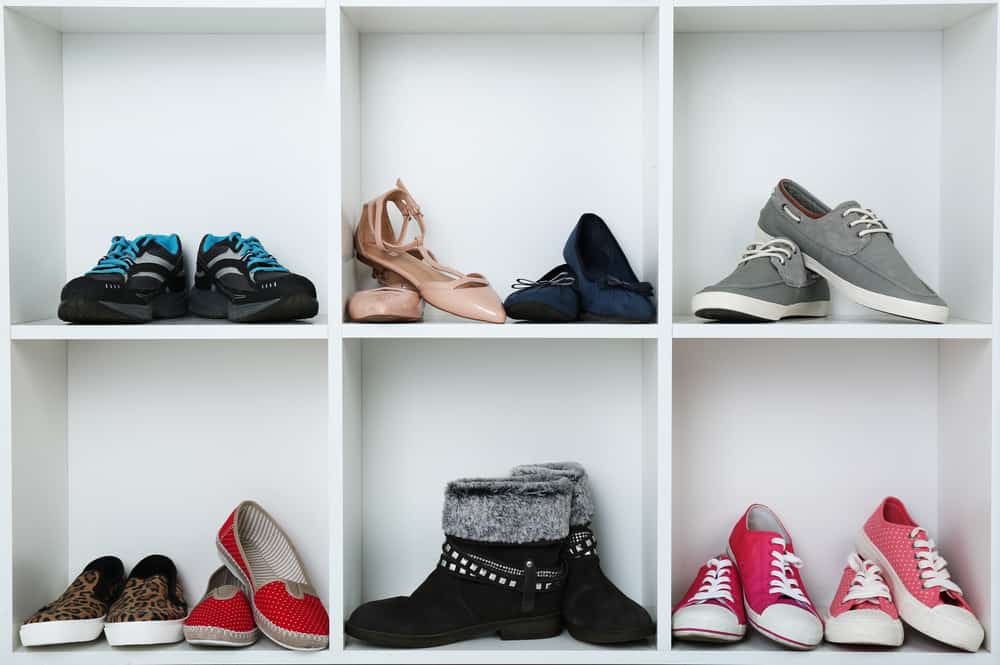
Walking-shoe care starts with the instructions for the exact model. Materials, dyes, adhesives, waterproof membranes, and finishes differ, so no single cleaning method is safe for every pair. These steps apply to walking shoes marketed to women and to comparable shoes in any department.
1. Check the label before cleaning
Follow the manufacturer's care page or label, especially for machine washing and waterproof treatments. Unless the maker explicitly allows a washer, hand-clean the shoes. Avoid bleach, harsh stain removers, and solvents; do not mix cleaning products. Test any cleaner on a small hidden area first.
2. Remove loose dirt first
Take out the laces and removable insoles. Let wet mud dry, then use a soft brush to remove it from the upper and tread. Shake out grit that could abrade the lining. Clean laces separately, and follow their material instructions.
3. Match the method to the upper
- Mesh, knit, and many synthetics: Use a soft brush or cloth with a small amount of mild soap in cool or lukewarm water. Work gently in the direction of a knit, then blot away residue with a clean damp cloth. Do not saturate foam-backed panels.
- Finished leather: Wipe with a barely damp cloth or a cleaner approved for that leather. Blot dry. Apply conditioner only if the shoe maker recommends it; excess oil or conditioner can change color and soften structure.
- Suede and nubuck: Clean dry dirt with a dedicated suede brush, following the nap. Use a suede eraser or maker-approved product for marks. Avoid soaking, general leather polish, and improvised oil treatments.
- Waterproof footwear: Clean off dirt because it can reduce performance. For membrane footwear, follow both the shoe maker and membrane maker. Renew durable water repellent only with a compatible product when water no longer beads; waxes and greases can reduce breathability on some shoes.
4. Clean soles without flooding the upper
Use a damp brush and mild solution on the outsole and midsole, keeping water away from openings and glued seams as much as possible. Remove embedded stones carefully. A worn or cracked outsole cannot be restored by cleaning.
5. Air-dry at room temperature
Blot excess moisture, open the tongue, and let every component dry fully before reassembly or wear. Lightly stuff the shoes with plain absorbent paper to help hold shape, replacing it when damp. Avoid tumble dryers, radiators, hair dryers, direct flames, and prolonged hot sun because high heat can deform foam, damage leather, and weaken adhesives.
6. Manage moisture between walks
After a wet or sweaty walk, loosen the shoes and remove the insoles if permitted so moisture can escape. Alternating pairs can provide drying time, but it is optional rather than a medical requirement. Persistent odor may indicate that insoles need cleaning or replacement; never combine disinfectants unless the product instructions say it is safe.
7. Store and inspect, rather than chasing a lifespan claim
Store clean, dry shoes in a ventilated place away from direct heat, strong sunlight, and pets. Do not compress them under heavy objects. Silica packets may help in humid storage, but keep them away from children and animals and never place loose desiccant inside a shoe while wearing it.
No care routine guarantees an extra year or two of use. Inspect tread, seams, lining, upper, and midsole regularly. Replace the shoes when grip is compromised, the sole separates or cracks, the upper no longer holds the foot securely, or a previously comfortable pair consistently causes rubbing or pain.