
Why Older Adults May Want to Walk More
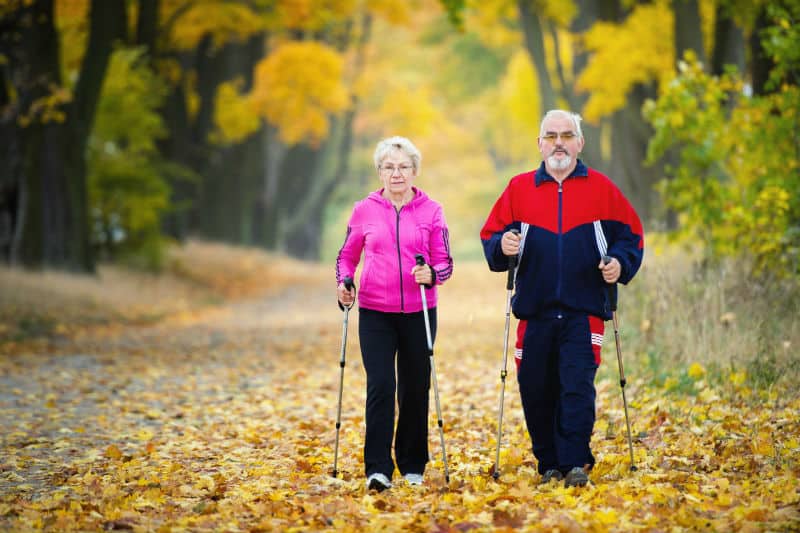
Walking can be an accessible way for many older adults to add aerobic activity, maintain everyday function, and spend time with other people. It does not need to be fast or continuous to count, and it is not the right activity for everyone. Mobility aids, seated exercise, cycling, swimming, and other adapted activities are valid alternatives.
Why walking can be worthwhile
It supports aerobic fitness
A pace that raises the heart rate and breathing while still allowing conversation is moderate intensity for many people. Regular aerobic activity supports heart and lung fitness, but the appropriate pace depends on health, medication, symptoms, and current ability.
It helps maintain day-to-day capacity
Walking practices movements used for errands, social activities, and getting around at home or in the community. Gradually increasing time or distance can build stamina. Walking is only one part of a complete activity plan: older adults also benefit from muscle-strengthening and balance work suited to their abilities.
It is flexible
Short walks can be spread through the day. Indoor corridors, shopping centers, tracks, treadmills, and level outdoor routes offer options for different weather and confidence levels. A friend, caregiver, or walking group can add company and practical support.
How much walking?
U.S. guidance recommends that adults age 65 and older aim, when able, for at least 150 minutes of moderate-intensity aerobic activity each week, plus muscle-strengthening activity on at least two days and balance activity. People who cannot meet that amount should be as active as their abilities and conditions allow. Even modest starting amounts are useful for building a routine.
A clinician or physical therapist can help adapt a plan for heart or lung disease, diabetes, arthritis, osteoporosis, recent surgery, repeated falls, significant vision changes, or a condition that affects balance. Do not stop prescribed medication or replace rehabilitation with a walking program.
A safer way to start
- Begin with a duration and pace that feel manageable, such as 5 to 10 minutes, and increase gradually.
- Choose a well-lit route with an even surface, places to rest, and a safe way home.
- Use a cane, walker, or other mobility aid if prescribed, and make sure it is adjusted correctly.
- Wear secure, comfortable footwear that does not rub; inspect feet after walking if sensation is reduced.
- Carry identification and a phone when practical, and consider walking with someone if falls are a concern.
- In heat, cold, poor air quality, or slippery conditions, shorten the walk or move it indoors.
When to stop and seek advice
Stop walking and seek urgent help for chest pressure or pain, severe shortness of breath, fainting, sudden weakness, or new confusion. Prompt assessment is also appropriate for a fall with possible injury, inability to bear weight, or a cold, pale, blue, or suddenly numb foot.
Contact a clinician if walking repeatedly causes dizziness, unusual breathlessness, joint or foot pain, or unsteadiness. New foot wounds, blisters, or color changes need early attention when diabetes, reduced circulation, or reduced sensation is present.