
7 Reasons to Wear High Heels Less Often
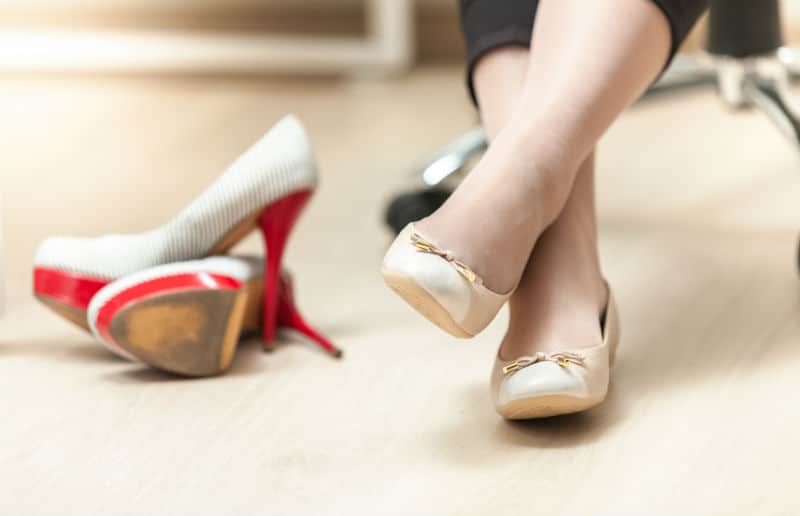
High heels are a personal style choice, not footwear that everyone must avoid. Height, toe-box shape, fit, time worn, walking surface, and the individual foot all affect comfort. If heels cause pain or instability, wearing them less often or choosing a different design is a practical response.
7 reasons to reconsider high heels
1. More pressure at the forefoot
Raising the heel shifts more load toward the ball of the foot. That can aggravate forefoot pain, especially during long periods of standing or walking. A lower, broader heel and cushioned forefoot may feel more comfortable, but persistent pain needs assessment.
2. Less room for the toes
Many heels also have a narrow or pointed toe box. Crowding may cause rubbing, blisters, corns, or pressure over a bunion or hammertoe. These issues relate to fit and shape as well as heel height, so check that toes can lie naturally without pinching.
3. Bunion symptoms may worsen
Bunions reflect changes in the alignment of the big-toe joint and often have a structural or family component. Tight, pointed, or higher-heeled footwear may irritate the bump and increase forefoot pressure, but changing shoes does not reverse a bunion. Ongoing pain or difficulty walking warrants a podiatry or orthopaedic assessment.
4. Balance can be less forgiving
A narrow or high heel provides a smaller, less stable contact area than a broad, low heel. Uneven paving, stairs, fatigue, and reduced sensation can add risk. If you feel unsteady, choose a more stable shoe and use a handrail or mobility aid when appropriate.
5. Calf or Achilles discomfort
The ankle sits in a more pointed position in heels. Some people notice calf tightness or discomfort around the Achilles tendon, particularly after extended wear or when switching abruptly between heel heights. Do not force a stretch through sharp pain; persistent tendon pain should be evaluated.
6. Existing foot pain may be aggravated
Plantar heel pain, arthritis, toe deformities, and nerve irritation can all be sensitive to footwear. Heels do not automatically cause these conditions, and flat shoes are not automatically better. Let comfort and a clinician's condition-specific advice guide the choice.
7. They may not suit the task
Long walks, prolonged standing, carrying loads, and slippery or uneven surfaces call for secure footwear with adequate traction and stability. Bringing an alternative pair can be more realistic than treating shoe choice as all-or-nothing.
How to reduce discomfort
- Choose a lower, broader heel and a toe box that matches the shape of your foot.
- Make sure the shoe is secure without squeezing or rubbing; sizes vary by style and brand.
- Limit wearing time if symptoms build, and change shoes for walking or standing-intensive parts of the day.
- Do not rely on a shoe insert to make a poorly fitting shoe safe or comfortable.
- Check feet for rubbing or skin injury, especially if you have reduced sensation.
When to get medical advice
See a clinician or podiatrist if pain persists after changing footwear, repeatedly limits activity, or is accompanied by numbness, weakness, or a changing toe shape. Seek prompt care for inability to bear weight, marked swelling after an injury, spreading redness, warmth, drainage, or an open wound. People with diabetes, reduced circulation, or reduced sensation should seek early advice for any new blister or skin damage.